
Is Hemp Oil the Same as CBD Oil? A Plain-English UK Guide

Is hemp oil the same as CBD oil? It's one of the most common questions people ask when they first start looking into CBD, and it's easy to see why. Both come from the hemp plant, both often sit in small glass bottles, and the two names get used interchangeably on shop shelves and online marketplaces. In this plain-English guide, we'll explain what each one actually is, how they're made, and how to check a label so you know exactly what you're buying, which is especially handy now that so many of us are browsing online deals and stocking up for the festive season.
The short answer
No, not usually. In the UK, a bottle labelled simply "hemp oil" almost always means hemp seed oil: a culinary oil pressed from hemp seeds that contains little to no CBD. CBD oil is a different product altogether. It's made by extracting cannabidiol (CBD) from the hemp plant and blending it into a carrier oil, and it should clearly state how much CBD the bottle contains.
Same plant, different parts, different purposes. Let's break it down.
What is hemp seed oil?
Hemp seed oil is made by cold-pressing the seeds of the hemp plant, much like other seed oils such as sunflower or pumpkin seed oil. The seeds themselves don't contain meaningful amounts of CBD, so neither does the oil.
It's usually a green-tinged oil with a nutty, slightly grassy flavour, and you'll typically find it in the cooking oil aisle or in skincare products. In the kitchen, people tend to use it cold: drizzled over salads, stirred into dips or swirled through a bowl of winter soup just before serving. It isn't really suited to high-heat cooking.
The key thing to remember is that hemp seed oil is a food oil. It's a lovely ingredient, but it isn't a CBD product, and it won't list a CBD strength on the label.
What is CBD oil?
CBD oil starts with a different part of the plant. CBD is found mainly in the flowers and leaves of hemp, so it's extracted from those parts and then blended into a carrier oil to make it easy to take. The carrier oil varies by brand. Some use olive oil or hemp seed oil; at Love Hemp, we use coconut-derived MCT oil, which is a big part of why our oils have such a smooth taste.
A good CBD oil will tell you three things clearly on the label:
- The total CBD content of the bottle in milligrams (for example, 1200mg)
- The type of CBD extract used, such as broad-spectrum or isolate
- The serving guidance, such as how many drops make up a serving
Our CBD Oil Drops 1200mg are a good example. They're made with broad-spectrum CBD and MCT oil, come in a 30ml bottle with a graduated pipette, and are available in Natural, Wild Cherry and Valencia Orange flavours.
Hemp seed oil vs CBD oil at a glance
Which part of the plant?
Hemp seed oil comes from the seeds. CBD oil is made from extract taken from the flowers and leaves.
Does it contain CBD?
Hemp seed oil contains little to no CBD. CBD oil contains a stated amount of CBD, shown in mg on the label.
How is it used?
Hemp seed oil is mainly a culinary and skincare ingredient. CBD oil is a food supplement, usually taken in small, measured servings as part of a daily routine.
What does it taste like?
Hemp seed oil has a distinctive nutty, earthy taste. CBD oil varies depending on the carrier oil and flavouring; ours come in natural and flavoured versions.
Why do the two get mixed up?
A few reasons. The word "hemp" is often used loosely, and some people (and some product listings) use "hemp oil" as a catch-all term. On certain online marketplaces you'll also see products described as "hemp oil" with eye-catching strength numbers on the front, which can be confusing if you're expecting CBD.
If a bottle shows a large number like "50,000mg" but doesn't actually say how much CBD it contains, that number may simply refer to hemp seed extract rather than cannabidiol. It's always worth reading the small print before you buy, particularly at this time of year when there are so many deals competing for your attention.
How to check you're buying genuine CBD oil
Whether you're shopping for yourself or picking something up as part of a wellness-themed Christmas treat for another adult, here's a quick checklist:
- Look for "CBD" or "cannabidiol" on the label, not just "hemp" or "hemp extract".
- Check the CBD content in mg for the whole bottle, and ideally per serving.
- Ask for lab reports. Reputable brands have their products independently tested and make the certificates of analysis available, so you can see what's in the bottle.
- Check the ingredients list for the type of CBD extract and the carrier oil.
- Read the serving guidance on the pack and follow it.
- Buy from a brand you can contact, with clear product information and customer service.
Prefer a spray to a dropper?
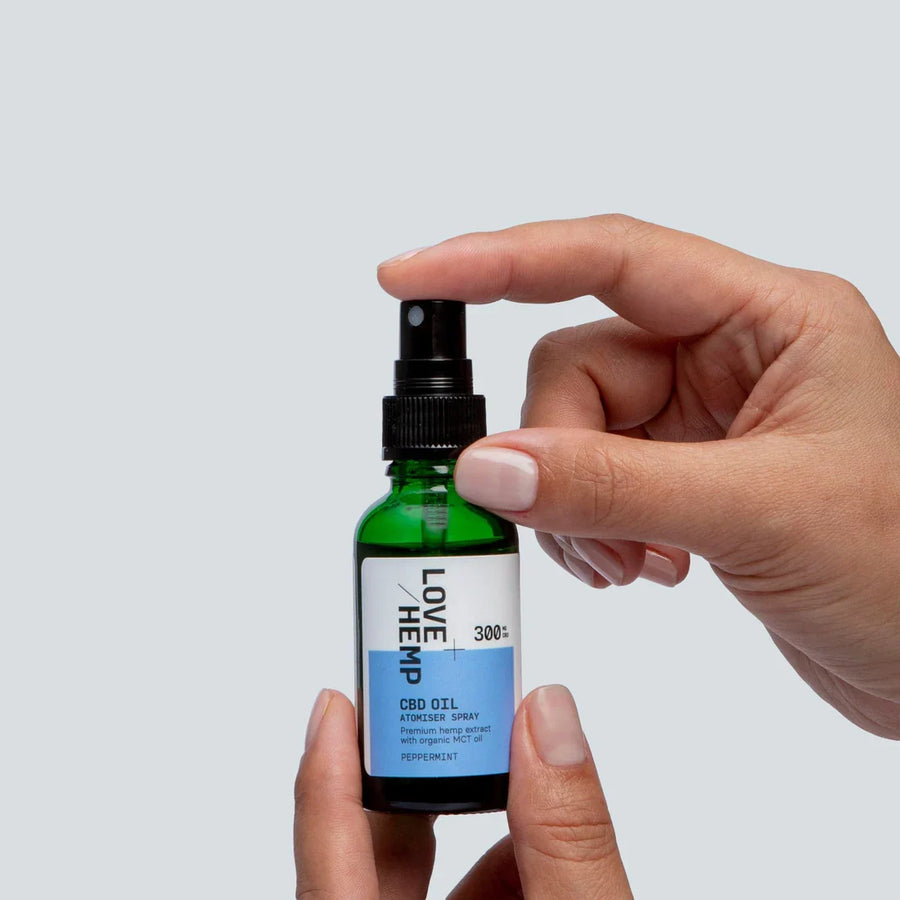
CBD oil doesn't have to come with a pipette. If you like the idea of an oil but want something a little tidier for your bag or desk drawer, our Oil Spray 1200mg uses the same broad-spectrum CBD and MCT oil in a mess-free atomiser, available in Peppermint and Natural. It's simply a different way of fitting CBD oil into your day, at home or on the go.
Can you use hemp seed oil and CBD oil together?
They're different products used in different ways, so plenty of people keep a bottle of hemp seed oil in the kitchen cupboard and a CBD oil in their daily routine. Just remember that hemp seed oil isn't a substitute for CBD oil, and vice versa. If you have any questions about adding a new supplement to your routine, it's always best to speak to your GP or pharmacist.
The bottom line
Hemp seed oil and CBD oil share a plant, but that's about where the similarity ends. One is a nutty culinary oil for your salad dressings; the other is a food supplement containing a stated amount of CBD. When in doubt, check the label for "CBD", look for the mg content and ask to see the lab reports. If you'd like to explore our range, every Love Hemp oil clearly lists its CBD strength, flavour and serving guidance on the pack.
Please note: Love Hemp products are food supplements and are not intended to diagnose, treat, cure or prevent any disease. They are not a substitute for a varied, balanced diet or for medical advice. Always read the label and follow the serving guidance on the pack. If you are pregnant, breastfeeding, taking medication or have a medical condition, please consult your doctor before use. Our products are intended for adults aged 18 and over only.
Last reviewed: 25 November 2026 · Food supplement, not a medicine. For medical advice, please speak to a healthcare professional.
Learn
Explore other articles
Product Spotlight: Oil Spray 1200mg, the Mess-Free CBD Format for Busy December Days
Love Hemp Editorial · 4 min read
UK Christmas Markets 2026: How to Plan a Cosy, Unhurried Market Day Out
Love Hemp Editorial · 4 min read